treatment
Fat Dissolving Injections
Injection lipolysis (Intralipotherapy) is a non-surgical method of removing fat in a specific area of the body. It allows the removal of excess fatty tissue in places where it is difficult to get rid of it through diet or physical activity. It is a perfect option for patients who want to shape their figure. Injection lipolysis allows the dissolution of fat cell membranes, which causes them to be degraded and then transported to the liver and later excreted by the kidneys.
INJECTION LIPOSUCTION PROCEDURE
Injectable lipolysis (intralipotherapy) is a minimally invasive, non-surgical method of removing localized body fat, involving the injection of special preparations directly into problematic areas. The injections allow for precise administration and even distribution of the active substance, resulting in better outcomes. The most commonly used active ingredient is phosphatidylcholine, which acts on fat cells. The active ingredients administered during injectable lipolysis dissolve the cell membranes of fat cells, leading to their degradation, and are then transported to the liver and naturally excreted from the body through the kidneys.
During injectable lipolysis, a large amount of the preparation cannot be administered at once. Therefore, the procedure is carried out in stages. The amount of preparation used during the procedure depends on the amount of fatty tissue in the treated area and the patient’s expectations. The necessary amount of preparation for the procedure is determined by the doctor during the pre-treatment consultation.
The procedure is performed using thin needles, minimizing patient discomfort. It is carried out in outpatient settings and usually takes between 20 to 40 minutes, depending on the size of the treatment area.
Treatment Summary

Determined during consultation

Duration of Treatment:
40-60 mins

Recovery: Patients have no down time

Treatment Interval: 2 weeks, we recommend 8 treatments

Pre-Treatment Advice: Specific advice provided at initial consultation
Post Treatment Advice: There is no specific aftercare following this treatment and you can care for your hair as usual although the clinician will be happy to give you additional hair care advice.
When To Use Fat Dissolving Injections
Fat Dissolving Injections is a procedure that allows effectively getting rid of locally accumulated body fat from selected areas of the body. The procedure is most commonly performed on body parts such as:
double chin (jawline contouring),
arms in the triceps area,
fat folds on the abdomen,
thighs or hips.
However, fat dissolving injections can also be carried out in the following areas:
fat pads in the armpit area,
fatty neck (known as buffalo hump),
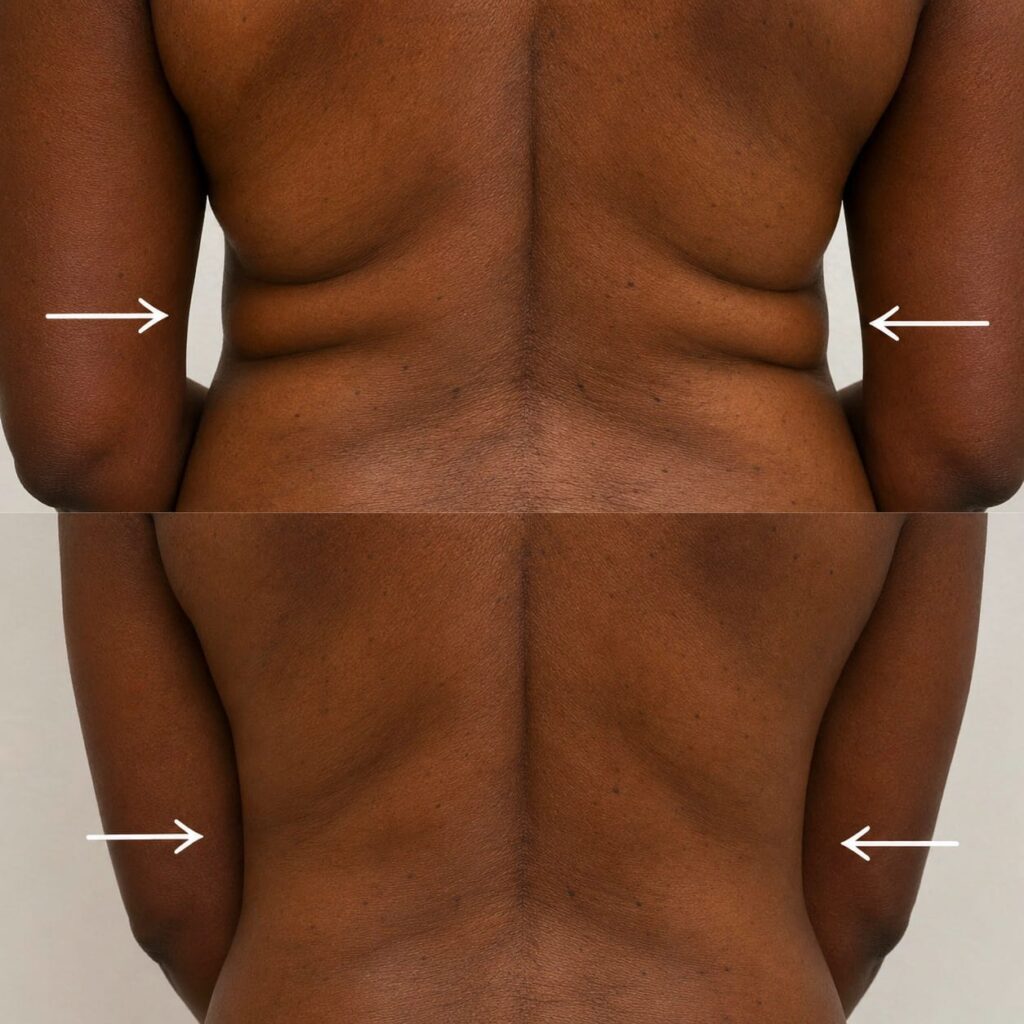
back folds (love handles),
hips,
upper thighs,
buttock area,
inner side of the knees,
lipomas.
Fat dissolving injections is a very precise procedure, allowing the doctor to focus on problematic areas. This procedure is characterized by high effectiveness and a short recovery period, enabling patients to quickly return to their daily activities. It is worth noting that intralipotherapy is one of the slimming and body contouring procedures that allow for the reduction of fat deposits in selected areas that are difficult to sculpt through diet and exercise. Therefore, it should not be seen as a weight loss method but rather as support in achieving the desired results in weight loss.
Fat Dissolving Injections Effects
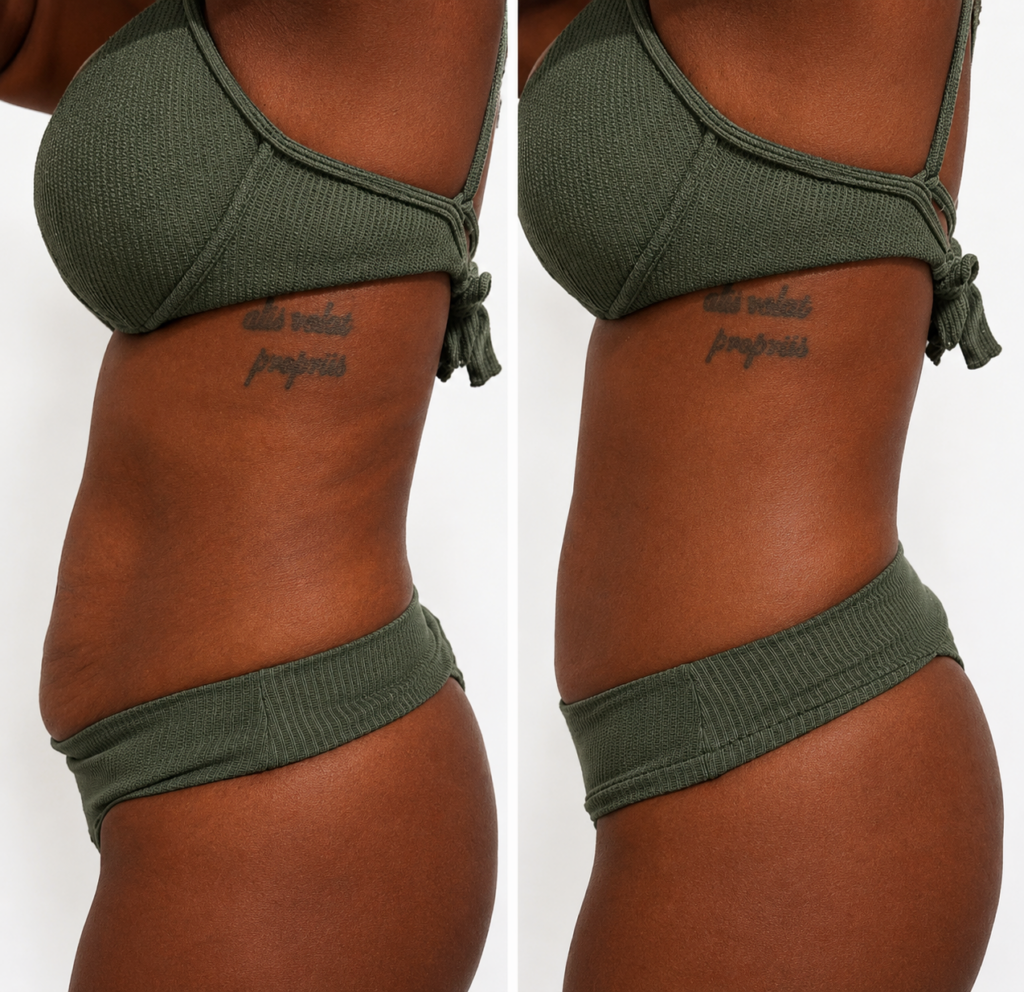
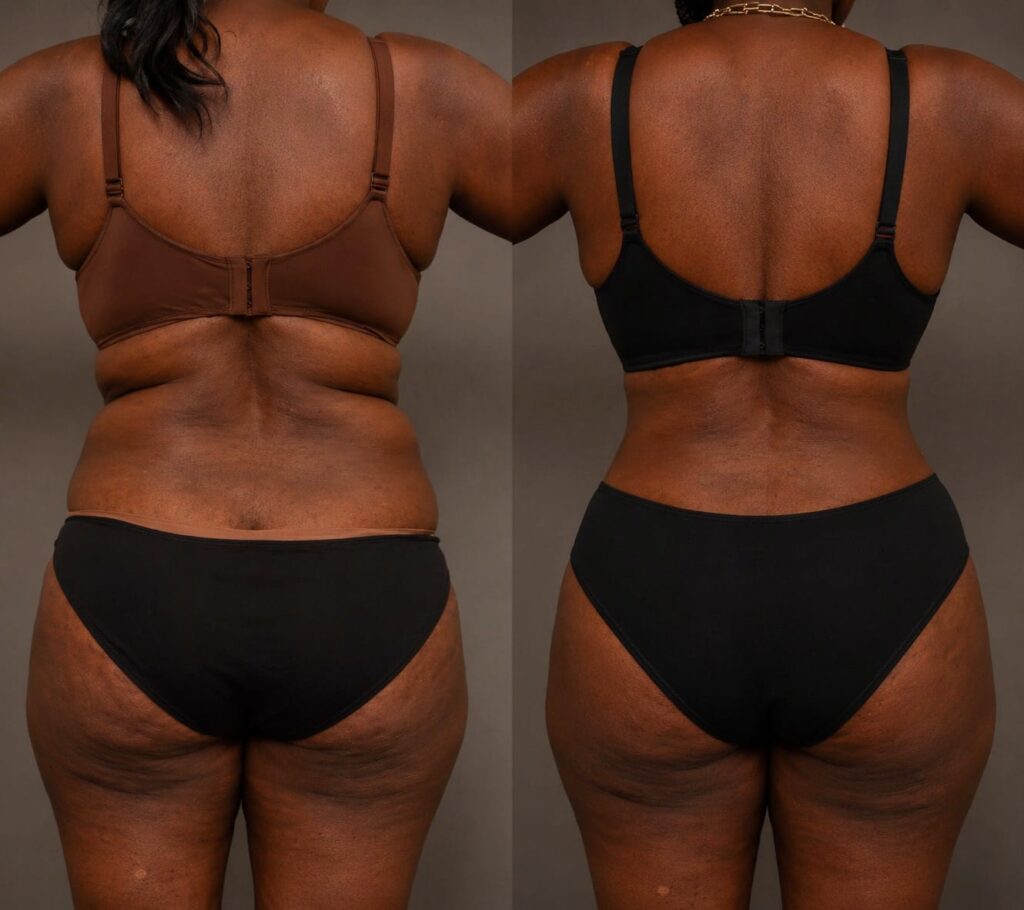
Fat tissue reduction – decrease in the amount of accumulated fat in treated areas.
Body circumference reduction – an average reduction of 2-4 cm in the area subjected to lipolysis.
Silhouette modeling – improvement of body proportions and contour shaping.
Cellulite reduction – smoothing of skin texture and reduction of the “orange peel” effect.
Skin firming – improvement of elasticity by stimulating the production of collagen and elastin.
Improvement of skin structure – evening out the surface, increasing its tension and elasticity.
Fatty deposit reduction – gradual reduction or complete elimination of benign fatty lumps.
Advantages of Fat Dissolving Injections
Permanent effects – once fat cells are removed, they do not regenerate.
Gradual fat elimination – effects visible after a few weeks, full reduction achieved after a few months.
Acceleration of fat metabolism – support for natural lipolysis processes in the body.
Non-surgical alternative to liposuction – less invasive method of fat reduction.
Painlessness and short recovery time – the patient can quickly return to daily activities.
Precise action – the treatment allows for fat reduction in specific, problematic areas.
Contraindications Of Fat Dissolving Injections
Fat Dissolving Injections is an effective method for reducing body fat, but not everyone can benefit from it. There are specific contraindications that may exclude the procedure:
Active skin infections and inflammatory conditions – such as herpes, eczema, acne, boils, open wounds, or other skin changes at the treatment site.
Use of antibiotics and anti-inflammatory drugs – certain substances can disrupt the regeneration process and increase the risk of complications.
Blood clotting disorders – taking anticoagulant drugs (e.g. aspirin, heparin) can lead to excessive bruising and bleeding.
Allergy to the ingredients of the preparation – individuals allergic to phosphatidylcholine, sodium deoxycholate, or other substances used in injection lipolysis should not undergo the procedure.
Diabetes (especially uncontrolled) – may hinder healing and increase the risk of infection.
Liver and kidney diseases – these organs are responsible for metabolizing fat, and their failure can lead to serious side effects.
Autoimmune diseases – such as lupus, rheumatoid arthritis, multiple sclerosis – may increase the risk of adverse reactions.
Tendency to develop keloids and hypertrophic scars – individuals prone to excessive scarring may experience unsightly changes at the injection sites.
Severe obesity (BMI >30) – injection lipolysis is not a treatment for obesity, but a way to reduce localized fat deposits.
Pregnancy and breastfeeding – substances in the preparations may pass into the child’s body and pose a risk.
Cancer (active or previous) – increases the risk of complications, requiring prior medical consultation.
Epilepsy – individuals with epilepsy may be more susceptible to neurological reactions after the procedure.
Active infectious diseases – such as viral hepatitis, HIV, tuberculosis – can weaken the body and increase the risk of complications.
To achieve the best results and avoid adverse effects, it is advisable to consult with our medical team before undergoing the procedure.
BEFORE & AFTER